



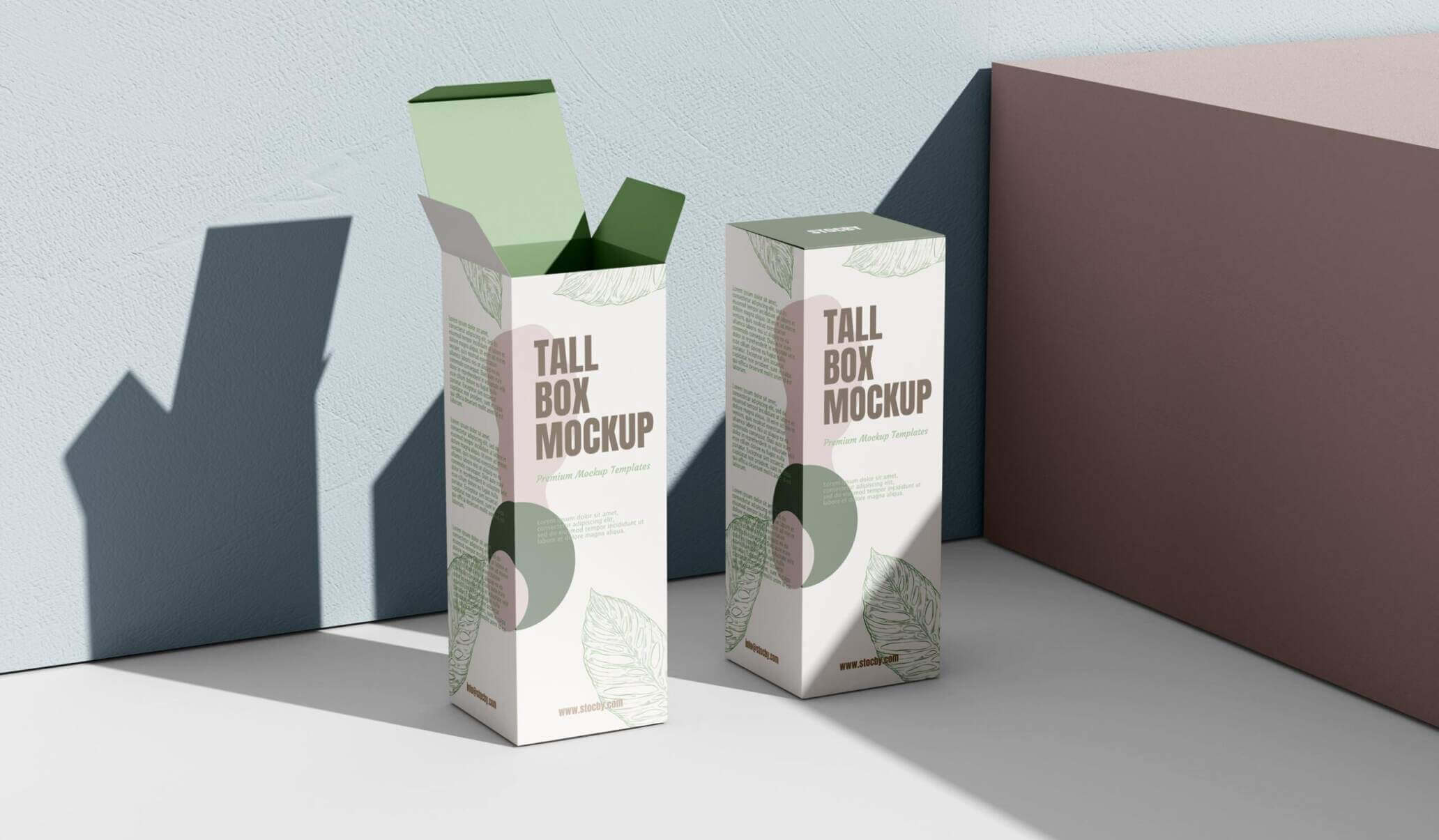
Custom Tuck Boxes Atlanta
$ 0.65
If you are looking for custom tuck boxes in Atlanta, GA, we can help you develop packaging based on product dimensions, printing requirements, quantity, and the way the package will be used throughout its lifecycle.
Live chat with our expert to place an order or email us at info@printingsolo.com for price quotes or Call us at +1 (409) -995-2398
(Minimum Order Quantity – 250)
Custom Tuck Boxes in Atlanta, GA
Good product packaging should make life easier for more than the customer.
It should also work for the people who manufacture, pack, stock, display, sell, and manage the product.
Custom tuck boxes provide a practical packaging format for businesses that need branded folding cartons designed around specific products.
If you are looking for custom tuck boxes in Atlanta, GA, we can help you develop packaging based on product dimensions, printing requirements, quantity, and the way the package will be used throughout its lifecycle.
A well-planned tuck box can move from production to storage, then to retail display or customer delivery while maintaining a consistent product presentation.
Start With the Product Lifecycle
A package may go through many stages before reaching the customer.
For example:
- The product is manufactured.
- It is placed inside the packaging.
- The packaged product is stored.
- It is transported.
- It reaches a retailer or customer.
- The customer opens the package.
Each stage can influence the packaging requirements.
Before selecting a box style, think about the complete journey.
How is the product packed?
How many boxes are stored together?
How is the package displayed?
How does the customer open it?
The structure should support the entire process.
Why Folding Cartons Remain a Flexible Option
Tuck boxes are commonly used for a wide range of products because they can be adapted to different dimensions and printing requirements.
They may be suitable for:
- Consumer products
- Accessories
- Personal care items
- Small electronics
- Food-related products where appropriate
- Toys
- Promotional items
- Stationery
- Retail merchandise
The final box can be customized based on the product rather than forcing the product into a generic size.
Choosing a Structure Based on Product Needs
The way a box opens and closes can affect both packaging efficiency and customer experience.
Straight Tuck End
Both tuck closures generally fold in the same direction.
This can provide a clean and straightforward appearance.
Reverse Tuck End
The closures generally fold in opposite directions.
This is a widely used format for many retail cartons.
Auto Bottom
Some products may require a box structure with a stronger or more convenient bottom construction.
Custom Structures
Products with unusual shapes or presentation requirements may need a packaging structure developed around the product.
The appropriate choice should be based on practical requirements rather than appearance alone.
Packaging for Efficient Product Assembly
A box design can influence how quickly products are packaged.
Consider what happens during a typical packing process.
Does the box need to be assembled?
Does the product need to be inserted in a particular direction?
Are additional components included?
Does the package require manual closing?
For small quantities, a few additional seconds may not matter.
For larger production volumes, repeated inefficiencies can become significant.
The packaging structure should be appropriate for the expected workflow.
Custom Tuck Boxes for Product Information
Retail packaging often needs to communicate several types of information.
The front panel may identify the product.
The side panels may provide supporting details.
The back panel may contain additional information.
Depending on the product, this may include:
- Product descriptions
- Features
- Instructions
- Ingredients
- Specifications
- Barcodes
- QR codes
A custom box provides space to organize this information in a logical way.
The goal should be clarity.
Customers should be able to find important details without searching through a crowded design.
The Difference Between Decoration and Communication
Packaging design often focuses heavily on appearance.
Appearance is important.
However, every design element should have a purpose.
Ask of each element:
Does this help identify the brand?
Does it help explain the product?
Does it make the product easier to recognize?
Does it support the intended customer?
If the answer is no, the element may be unnecessary.
Effective packaging does not always mean adding more.
Sometimes removing unnecessary elements creates a stronger result.
Creating a Clear Front Panel
The front of the package often performs the most important communication.
A customer should generally be able to identify:
- The brand
- The product
- The main variation
The exact hierarchy depends on the category.
A highly recognizable brand may make the logo the dominant element.
A new brand may need to make the product category more obvious.
The front panel should be designed around the information that matters most at the moment of selection.
Using Side Panels Strategically
Side panels are valuable space.
Instead of repeating the front design, they can be used for useful information.
Possible content includes:
- Features
- Instructions
- Brand messaging
- Product specifications
- Ingredient information
The side panels may be especially important when customers examine products closely in a retail environment.
Back Panel Content
The back of the box can contain more detailed information.
Depending on the product, this may include:
- Full descriptions
- Usage information
- Instructions
- Brand story
- Technical details
The content should remain readable.
Small text may allow more information to fit, but it can reduce usability.
Planning the information before beginning the graphic design process can help avoid overcrowding.
Custom Sizes and Product Fit
The dimensions of a tuck box should be based on the product inside.
Measure:
- Length
- Width
- Height
- Product weight
- Additional components
If the product requires internal support, this should be considered before finalizing the box dimensions.
A properly sized package can create a cleaner presentation and help avoid unnecessary movement.
Tuck Boxes for Multiple Product Variants
Businesses often sell several versions of the same product.
For example:
- Different sizes
- Different colors
- Different formulas
- Different models
Custom packaging can help organize these variations.
A consistent design system can maintain:
- Logo placement
- Typography
- Layout
- Overall visual style
Individual products can then be distinguished through:
- Color
- Product name
- Icons
- Numbers
- Images
This approach helps customers identify the correct product while maintaining brand consistency.
Packaging for New Product Introductions
Launching a new product often requires several decisions at once.
The business needs to establish:
- Product naming
- Brand presentation
- Packaging structure
- Product information
- Visual identity
Custom tuck boxes can provide a structured foundation for these elements.
Before designing the package, think about whether the product may eventually expand into a larger range.
A packaging system designed for growth can make future launches easier.
Printed Tuck Boxes for Atlanta Businesses
Businesses require custom folding cartons for different reasons.
A local retailer may be introducing a private-label product.
An online brand may be moving into physical retail.
A manufacturer may need consistent product packaging.
A startup may be preparing its first commercial launch.
The packaging requirements will depend on the business.
The process should begin with understanding what the package needs to accomplish.
Material Selection
The material should be selected based on the product and its use.
Consider:
- Product weight
- Product dimensions
- Expected handling
- Display requirements
- Printing requirements
A lightweight product may need a different specification from a heavier item.
The goal is to choose packaging that is appropriate without adding unnecessary complexity.
Printing Options
Custom tuck boxes can include different levels of printing.
Depending on the project, options may include:
- Simple logo printing
- Multi-color graphics
- Full-color artwork
- Product illustrations
- Photography
- Informational printing
The design should support the product’s market position.
A simple everyday product may benefit from straightforward communication.
A premium consumer product may require a more detailed presentation.
Finishing and Product Experience
Finishing can influence how the package appears and feels.
Depending on the project, options may include:
Matte
A subtle surface that can support a clean appearance.
Gloss
A reflective finish that can enhance certain graphics.
Spot UV
Can create contrast by emphasizing selected elements.
Foil
Can highlight logos or decorative features.
Embossing
Can add texture and dimension.
Finishing should support the packaging objective.
Not every product needs every available option.
Packaging Storage Considerations
Before use, packaging may need to be stored.
Consider:
- Available warehouse space
- Number of different SKUs
- Inventory turnover
- How packaging is organized
A business with limited storage may prefer a packaging strategy that simplifies inventory.
For example, using fewer standardized box sizes may be more practical than maintaining many unique dimensions.
This decision depends on the product range and fulfillment process.
Designing for Retail and Online Sales
A product may be sold through more than one channel.
It might appear:
- On a retail shelf
- On a website
- In product photographs
- In an online marketplace
The packaging should work in each environment.
For physical retail, customers may view the package from several angles.
For online sales, the front of the box may need to remain recognizable in a small image.
Considering both situations can help create more versatile packaging.
Preparing Your Artwork
Before production, artwork should be prepared for the final packaging structure.
Important considerations include:
- Dieline dimensions
- Panel layout
- Fold areas
- Bleed areas
- Text placement
- Barcode location
It is usually best to finalize the box structure before completing the final artwork.
This helps ensure that important information appears in the correct locations.
A Better Way to Start a Packaging Project
Instead of beginning with the question, “What design should we use?”
Start with these questions.
What is the product?
How will it be packaged?
Where will it be sold?
What information must customers see?
How many different versions exist?
How will the box be stored and assembled?
The answers can guide the packaging decisions more effectively.
What Affects the Cost of Custom Tuck Boxes?
Pricing depends on the final specifications.
Factors may include:
- Dimensions
- Quantity
- Material
- Printing
- Number of colors
- Finishing
- Structural complexity
A basic folding carton will have different requirements from a fully customized package with detailed artwork and premium finishing.
The most accurate quote depends on the complete project requirements.
Request a Quote for Custom Tuck Boxes in Atlanta
If you are developing packaging for a consumer product, retail item, private-label brand, or growing product line, custom tuck boxes can provide a flexible packaging solution.
Tell us about your product dimensions, quantity, printing requirements, and intended sales channel.
The packaging can then be developed around the product and the way it moves through your business.
Request a quote for custom tuck boxes in Atlanta, GA today.
Frequently Asked Questions
What are tuck boxes used for?
Tuck boxes are folding cartons commonly used for retail products, consumer goods, accessories, personal care items, and other products.
What is the difference between straight tuck end and reverse tuck end boxes?
The difference relates to the direction of the tuck closures. The appropriate structure depends on the product and packaging requirements.
Can tuck boxes be made in custom sizes?
Yes. Custom dimensions can be developed around the specific product.
Can I print product information on a tuck box?
Yes. Custom printed boxes can include product details, instructions, specifications, barcodes, branding, and other information.
Are tuck boxes suitable for multiple product variants?
Yes. A consistent packaging system can be used across multiple SKUs while differentiating each product through design elements.
How should I prepare artwork for a custom tuck box?
Artwork should be developed around the final packaging structure and dieline, with attention to panels, folds, and print areas.
What affects the price of custom tuck boxes?
Pricing depends on size, quantity, materials, printing, finishing, and structural requirements.
Explore More Custom Packaging in Atlanta
Tuck boxes are one option within a broader packaging system.
You may also be interested in:
- Custom Mailer Boxes for e-commerce deliveries
- Custom Cosmetic Boxes for beauty and personal care products
- Custom Product Boxes for consumer goods
- Custom Rigid Boxes for premium products and gift presentations
The right tuck box should work throughout the complete product lifecycle—from the moment the product is packed to the moment the customer opens it. Strong packaging combines practical structure, clear information, and consistent brand presentation.
Reviews
There are no reviews yet.
Related Products
Boxes Near Me
Boxes Near Me
Boxes Near Me
Boxes Near Me
Be the first to review “Custom Tuck Boxes Atlanta”