



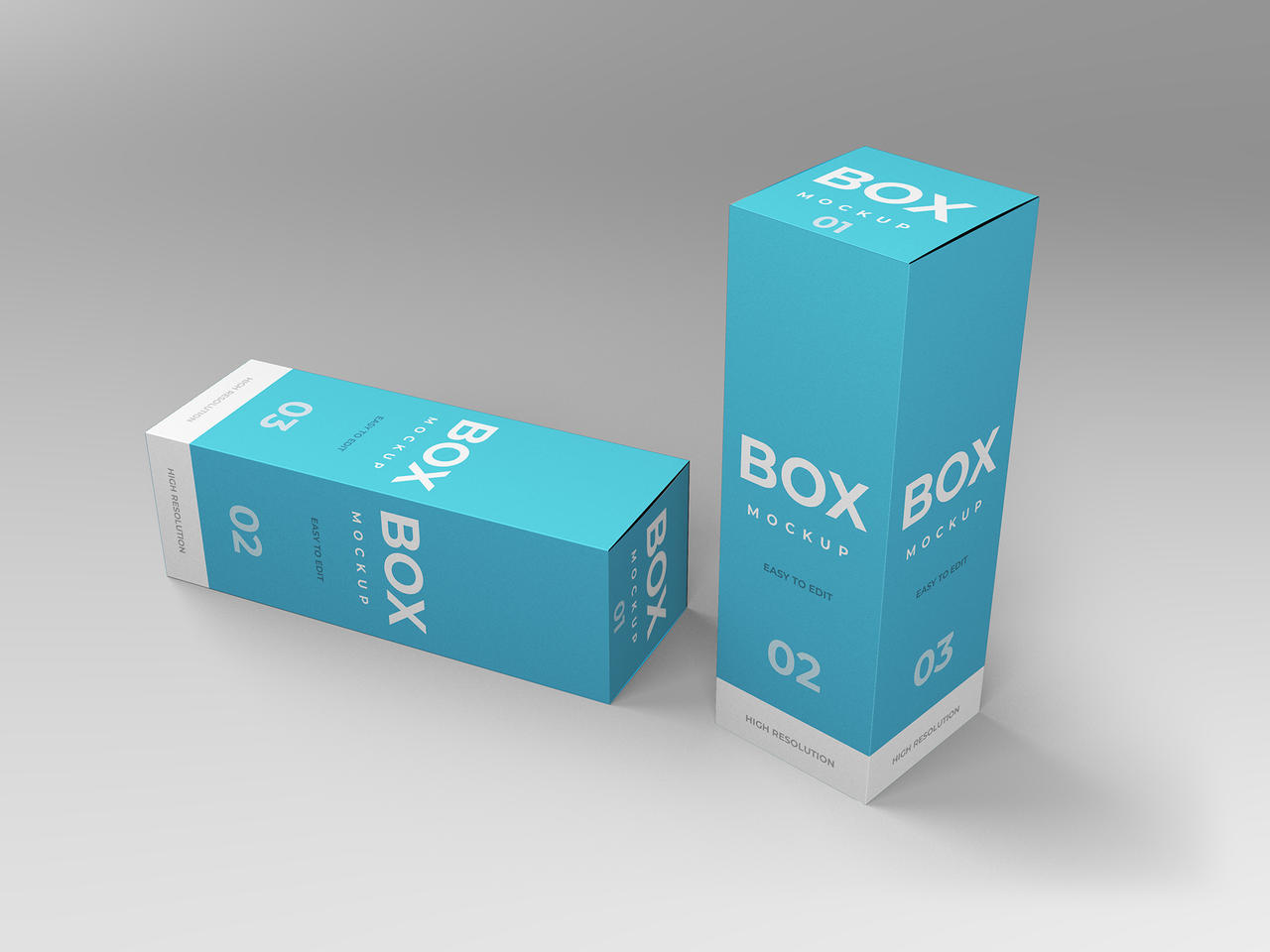
Custom Tuck Boxes Dallas

$ 0.77
If you are looking for custom tuck boxes in Dallas, TX, we can help you create printed packaging based on your product dimensions, retail requirements, branding, and order quantity.
Live chat with our expert to place an order or email us at info@printingsolo.com for price quotes or Call us at +1 (409) -995-2398
(Minimum Order Quantity – 250)
Custom Tuck Boxes in Dallas, TX
A product can have excellent features and still struggle to make an immediate impression if its packaging does not communicate clearly.
For retail products, the box often has only a few seconds to tell a customer what the product is, who it is for, and why it deserves attention.
Custom tuck boxes provide businesses with a flexible packaging format for presenting products professionally. Their folding-carton construction makes them suitable for a wide range of consumer and retail goods while offering multiple surfaces for branding and product information.
If you are looking for custom tuck boxes in Dallas, TX, we can help you create printed packaging based on your product dimensions, retail requirements, branding, and order quantity.
Packaging Designed for the Moment of Choice
Retail packaging has a specific job.
It must help a customer make sense of the product quickly.
Imagine someone standing in front of a shelf containing multiple similar products.
The packaging needs to communicate the essentials.
What is the product?
What does it do?
Which brand makes it?
What makes it different?
A custom tuck box gives businesses the space to organize this information through design, typography, colors, images, and structure.
The strongest packaging is not always the loudest.
Often, clarity is what helps a product stand out.
Why Tuck Boxes Work for Retail Products
Tuck boxes are a popular form of folding carton packaging because they combine flexibility with an efficient structure.
They can be adapted for many products, including:
- Consumer goods
- Accessories
- Small electronics
- Personal care products
- Promotional items
- Toys
- Stationery
- Specialty retail products
- Gift items
The dimensions, material, printing, and box style can all be customized around the product.
This allows a business to create packaging that looks intentional rather than placing a branded product inside a generic container.
Understanding Tuck-End Structures
The opening and closing style of a box can affect how the package is assembled, displayed, and used.
Straight Tuck End Boxes
Straight tuck end designs generally have closure panels that fold in the same direction.
They can create a clean appearance and are suitable for a variety of lightweight products.
Reverse Tuck End Boxes
Reverse tuck end structures generally have closure panels that fold in opposite directions.
This format is widely used for retail folding cartons.
Lock Bottom Packaging
Products that require greater bottom support may need a structure with a more secure base.
The appropriate option depends on the product’s dimensions and weight.
Custom Folding Structures
Some products require packaging that does not fit into a standard structure.
A custom dieline or structural concept may be appropriate when the product has unusual dimensions or presentation requirements.
Designing a Box for Retail Visibility
Before beginning the artwork, think about where the package will be seen.
A product might be viewed:
- On a retail shelf
- At a trade show
- In a boutique
- On a countertop display
- In an online photograph
The design should work across these environments.
For example, a design filled with small details may look attractive when viewed closely but become difficult to understand from a distance.
The front panel should normally establish a clear hierarchy.
Brand
Who is behind the product?
Product
What is being sold?
Key Identifier
What should the customer understand immediately?
Supporting information can then be placed on the side or back panels.
Custom Tuck Boxes for Product Launches
A new product launch is an opportunity to establish a visual identity from the beginning.
Custom packaging can help ensure the first production run looks consistent across:
- Product photography
- Retail displays
- Online stores
- Promotional campaigns
- Customer deliveries
Before finalizing a packaging design, consider whether the product line may expand.
If additional products are planned, creating a flexible design system can make future packaging easier to develop.
For example, the structure can remain consistent while product variants change through:
- Accent colors
- Product names
- Images
- Icons
- Graphics
This creates a recognizable family of products.
The Role of Color in Product Packaging
Color is one of the first elements customers notice.
A consistent color system can help customers recognize your brand.
It can also help distinguish individual products.
For example:
- One color for each product variation
- A shared background for the entire collection
- A consistent logo area across all packages
The most effective color strategy depends on the brand and the retail environment.
It is important to ensure that text remains readable and important information is not lost within a complex design.
Using Every Panel of the Box
A tuck box offers multiple surfaces, but not every panel needs to carry the same level of visual information.
A useful approach is to assign a purpose to each area.
Front Panel
Primary brand and product communication.
Side Panels
Supporting information, ingredients, features, or instructions.
Back Panel
Detailed product information, usage guidance, and other required content.
Top and Bottom Panels
Branding, barcodes, batch information, or other details depending on the product.
Planning the content before designing the artwork can prevent the final packaging from becoming overcrowded.
Custom Sizes for Different Products
A box should fit the product it is designed to hold.
Custom dimensions can be based on:
- Product length
- Product width
- Product height
- Product shape
- Product weight
- Internal accessories
If the product requires an insert or internal divider, this should also be considered when determining the final dimensions.
Proper sizing can improve presentation and reduce unnecessary empty space.
Printed Tuck Boxes for Dallas Businesses
Businesses need packaging for many different purposes.
A startup may need its first professionally branded product box.
An established company may be redesigning an existing product line.
A retailer may need packaging for a new private-label product.
Each project begins with a different objective.
Custom printing allows the packaging to be developed around that objective.
Options may include:
- Brand logos
- Full-color graphics
- Product photography
- Patterns
- Illustrations
- Product specifications
- QR codes
- Barcodes
The amount of printing should be selected based on the packaging design and project requirements.
Material Selection and Product Fit
The material should support both the appearance and practical requirements of the package.
Consider:
- Product weight
- How the box will be handled
- Retail display requirements
- Desired print quality
- Required durability
A lightweight product may have different requirements from a heavier retail item.
Selecting the right specification helps avoid paying for unnecessary material while ensuring the package is appropriate for the product.
Finishing for Retail Presentation
Printing creates the visual foundation, while finishing can influence how the package looks and feels.
Depending on the project, options may include:
Matte Finish
Can create a subtle and contemporary appearance.
Gloss Finish
Can add shine and emphasize certain colors.
Spot UV
Can highlight specific areas such as logos or product names.
Foil Details
Can add decorative or premium elements.
Embossing
Can create raised details that add texture.
The appropriate finish depends on the product’s price position and brand identity.
A practical everyday consumer product may require a different approach from a premium retail item.
Packaging for Private-Label Products
Businesses developing private-label products often need packaging that creates a distinct brand identity.
The product may be part of an existing category with many competitors.
The packaging needs to establish recognition while clearly communicating the product.
Custom tuck boxes can support private-label products by providing space for:
- Brand development
- Product information
- Product variants
- Instructions
- Regulatory or required information where applicable
A consistent packaging system can also make it easier to expand the product range.
Preparing a Packaging Brief
A clear brief helps make a custom packaging project more efficient.
Before requesting a quote, prepare the following information where possible.
Product Details
What are you packaging?
Dimensions
What is the exact size of the product?
Quantity
How many boxes are required?
Sales Environment
Will the product be sold online, in retail stores, or through both channels?
Artwork
Do you have print-ready files, a logo, or an existing brand identity?
Special Requirements
Do you need a particular finish, window, insert, or structural feature?
The more clearly the requirements are defined, the easier it becomes to develop the appropriate packaging specification.
Common Packaging Design Mistakes
When developing retail packaging, businesses sometimes focus heavily on appearance while overlooking clarity.
Common issues include:
Too Much Information on the Front
Customers should be able to understand the essential message quickly.
Inconsistent Product Collections
If every product uses completely different visual rules, the overall brand may become difficult to recognize.
Choosing the Box Before Understanding the Product
The packaging structure should be selected based on the actual product requirements.
Ignoring How the Package Will Be Displayed
A package should be considered from the customer’s viewing angle, not only as a flat digital design.
Planning these details early can help avoid unnecessary changes later.
From Product Concept to Printed Carton
The packaging development process generally begins with the product.
1. Review the Product
Understand its dimensions, weight, and characteristics.
2. Select a Suitable Structure
Choose an appropriate tuck-end or folding-carton design.
3. Plan the Content
Determine what information needs to appear on the package.
4. Develop the Artwork
Create a design around the final packaging layout.
5. Select Material and Finishing
Choose options appropriate for the product and brand.
6. Finalize Quantity and Production Details
Confirm the order specifications.
What Affects the Cost of Custom Tuck Boxes?
Pricing depends on the specific requirements of the project.
Factors can include:
- Box dimensions
- Quantity
- Material
- Printing coverage
- Number of colors
- Finishing
- Structural complexity
- Special features
A simple branded carton will have different requirements from a complex retail package with custom finishing and multiple design elements.
The most accurate pricing is based on the final specifications.
Request a Quote for Custom Tuck Boxes
If you are looking for custom tuck boxes in Dallas, TX, start with the product you need to package.
Tell us about the dimensions, quantity, branding requirements, and intended sales environment.
Whether you are launching a new consumer product, developing private-label packaging, or updating an existing retail line, custom tuck boxes can be developed around your specific requirements.
Request a custom quote for printed tuck boxes today.
Frequently Asked Questions
What are tuck boxes used for?
Tuck boxes are commonly used for retail and consumer products. Their folding-carton structure makes them suitable for a wide range of lightweight products.
What is the difference between straight tuck end and reverse tuck end boxes?
The main difference is the direction in which the closure flaps fold. The appropriate style depends on the packaging requirements and product.
Can tuck boxes be made in custom sizes?
Yes. Custom dimensions can be developed around the size and shape of your product.
Can I print product information on a tuck box?
Yes. Depending on the packaging design, boxes can include branding, instructions, product details, barcodes, and other required information.
Are tuck boxes suitable for retail shelves?
They can be suitable for many retail products. The design, material, and structure should be selected based on the product and display requirements.
Can I order tuck boxes for a new product launch?
Yes. Custom packaging can be developed for new products, product lines, and private-label collections.
What affects the cost of custom tuck boxes?
Pricing depends on factors such as size, quantity, material, printing requirements, finishing, and structural complexity.
Explore More Custom Packaging in Dallas
Tuck boxes are particularly useful for branded retail products and consumer goods.
Depending on your packaging requirements, you may also be interested in:
- Custom Mailer Boxes for e-commerce and shipping
- Custom Cosmetic Boxes for beauty and personal care products
- Custom Product Boxes for a wider range of consumer goods
- Custom Rigid Boxes for luxury products and premium presentation
The best retail packaging does not simply make a product look attractive. It helps customers understand the product, recognize the brand, and make a confident purchasing decision.
Reviews
There are no reviews yet.
Related Products
Boxes Near Me
Boxes Near Me
Boxes Near Me
Boxes Near Me
Be the first to review “Custom Tuck Boxes Dallas”