



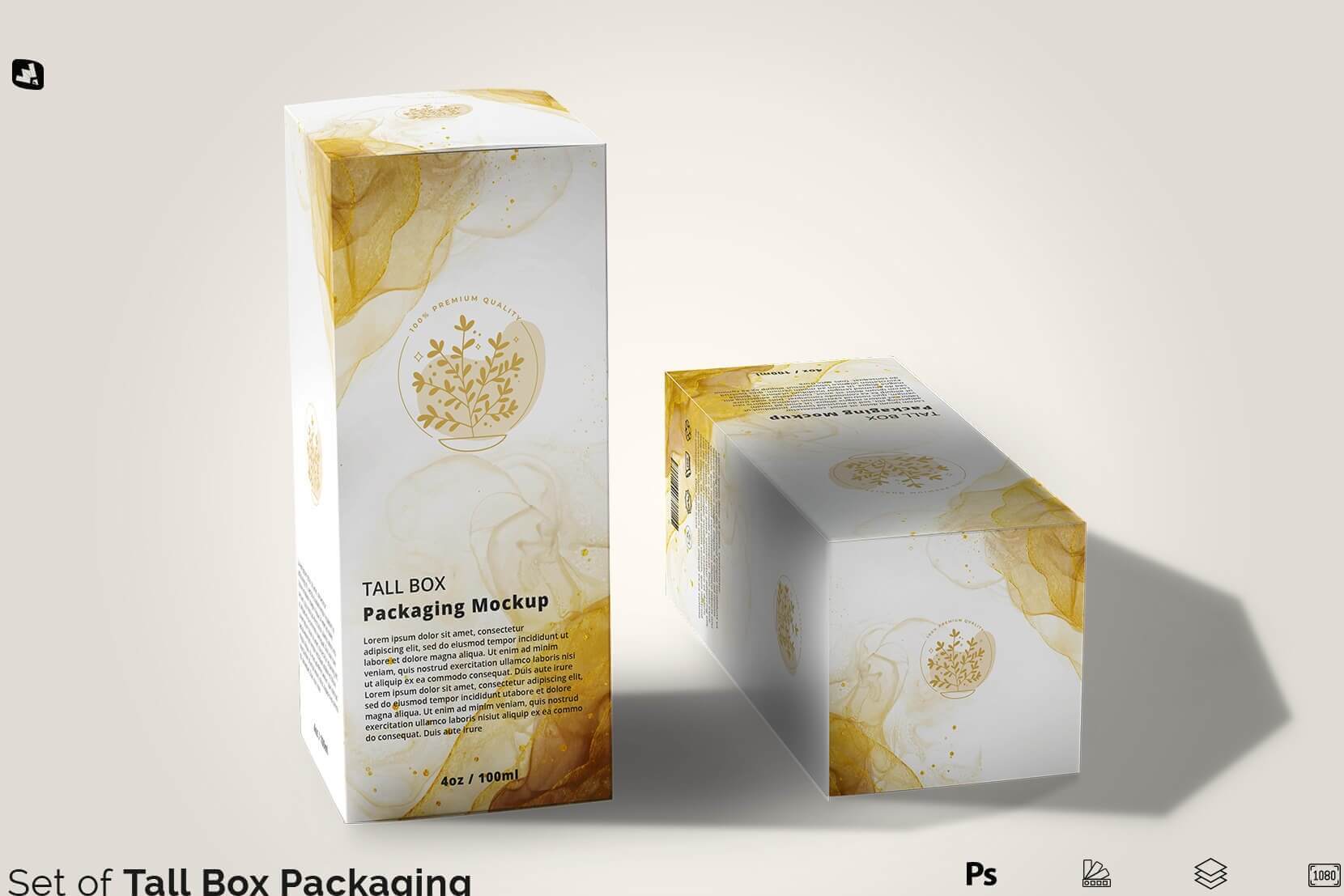
Custom Product Boxes Atlanta
$ 1.49
If you are looking for custom product boxes in Atlanta, GA, we can help you develop packaging based on your products, brand requirements, sales channels, and long-term business plans.
Live chat with our expert to place an order or email us at info@printingsolo.com for price quotes or Call us at +1 (409) -995-2398
(Minimum Order Quantity – 250)
Custom Product Boxes in Atlanta, GA
As a business grows, packaging can either become a system or become a source of complexity.
A company may begin with one product and one box.
Then new products are introduced.
Different sizes are added.
New colors and variations appear.
Products begin selling through different channels.
Without a clear approach, packaging can eventually become difficult to manage.
Custom product boxes can help businesses create packaging systems that support growth rather than adding unnecessary operational friction.
If you are looking for custom product boxes in Atlanta, GA, we can help you develop packaging based on your products, brand requirements, sales channels, and long-term business plans.
The goal is not simply to create an attractive box.
The goal is to create packaging that works as the business evolves.
When Packaging Becomes a Business System
Packaging decisions affect more than appearance.
They can influence:
- Inventory management
- Product launches
- Fulfillment
- Brand consistency
- Customer experience
- Product organization
A growing product business may eventually manage dozens of individual packaging designs.
This can create challenges.
Different dimensions may require different storage arrangements.
Different product versions may create more artwork files.
Small design inconsistencies can develop over time.
A packaging system helps bring structure to these decisions.
Start With Your Product Range
Before developing individual boxes, look at the complete product range.
Ask:
- How many products do we currently sell?
- How many new products are planned?
- Which products are similar in size?
- Which products require completely different packaging?
- Are there multiple versions of the same product?
The answers can help determine whether packaging should be standardized or customized individually.
In some cases, several products can share the same box dimensions.
In others, each product may require its own structure.
The objective is to find a balance between operational simplicity and product presentation.
Creating Packaging Standards
A business can establish certain elements that remain consistent across the product range.
For example:
- Logo placement
- Brand colors
- Typography
- Product information layout
- Barcode location
These standards can make future packaging development easier.
Instead of beginning from scratch every time a new product is introduced, the business already has a framework.
The individual product can then receive its own:
- Name
- Color
- Illustration
- Product description
- Product-specific information
This creates consistency without making every product look identical.
Custom Product Boxes for Growing Brands
Growth often creates new packaging requirements.
A company that originally sold directly to customers may begin selling through retailers.
A product that started as one size may expand into multiple sizes.
A single product line may become an entire collection.
The packaging should be able to adapt.
Before finalizing a design, consider future possibilities.
Will additional variations be introduced?
Will the product eventually be sold in stores?
Will multiple products be bundled together?
Thinking ahead can help reduce unnecessary redesign work later.
Packaging for Product Launches
A new product launch involves many moving parts.
The product itself needs to be ready.
Marketing materials need to be prepared.
Photography may need to be completed.
The packaging is part of that launch process.
Custom product boxes can help establish a physical identity for the new product.
Before finalizing the design, define:
What Is the Product?
The packaging should clearly communicate the product category.
Who Is It For?
The visual direction should support the intended customer.
Where Will It Be Sold?
Online, retail, wholesale, or through multiple channels?
What Makes It Different?
The packaging can help communicate the main point of differentiation.
Packaging for Products With Multiple Variations
Product variations can create customer confusion if the packaging system is not clear.
Imagine a product available in:
- Small
- Medium
- Large
Or:
- Original
- Advanced
- Premium
Customers should be able to distinguish the correct version quickly.
A consistent design system can provide familiarity.
Individual identifiers can then create distinction.
These may include:
- Color
- Product names
- Numbers
- Icons
- Labels
The goal is to make the differences clear without breaking the overall brand identity.
Avoiding Packaging Complexity
More options are not always better.
A business may eventually create:
- Too many box sizes
- Too many printing variations
- Too many individual designs
Each additional variation can increase complexity.
Before creating a completely new package, ask:
Can an existing size work?
Can the existing design system be adapted?
Can multiple products use a shared packaging structure?
Sometimes standardization can simplify operations without reducing the quality of the customer experience.
Packaging Inventory and Storage
Packaging needs to be stored before it is used.
This should be considered during the planning process.
Think about:
- Available storage space
- Number of packaging SKUs
- Order volume
- Inventory turnover
A company that orders many different custom boxes may need more organized inventory management.
Reducing unnecessary packaging variations can sometimes make storage easier.
However, the right approach depends on the product requirements.
A premium or unusually shaped product may justify a specialized box.
Custom Boxes for Retail Products
Retail packaging has to work in a competitive environment.
Customers may compare several products in seconds.
The package should help them understand:
- What the product is
- Which brand it belongs to
- What variation it is
- Why it may be relevant to them
The information hierarchy is important.
The front panel should not attempt to communicate everything.
Instead, it should guide the customer’s attention toward the most important information first.
Product Packaging for E-Commerce
Online product packaging has different priorities.
Customers often make the purchasing decision before seeing the physical box.
The package then becomes part of the delivery experience.
For an e-commerce business, custom product packaging may help:
- Reinforce branding
- Organize the product
- Improve presentation
- Support customer satisfaction
The packaging may eventually appear in customer photographs or unboxing content.
This can create additional brand exposure.
Building Recognition Across Products
A successful brand should not need to introduce itself from the beginning every time a new product is launched.
Consistent visual elements can create recognition.
These may include:
- Logo position
- Color systems
- Typography
- Graphic patterns
- Packaging layouts
The challenge is maintaining consistency while allowing individual products to have their own identities.
A strong packaging system creates both.
Custom Printing for Product Boxes
Printed product boxes can communicate information and create visual recognition.
Depending on the requirements, printing may include:
- Brand logos
- Product names
- Descriptions
- Illustrations
- Product photography
- Features
- Specifications
- Barcodes
- QR codes
The design should be organized around the customer’s decision-making process.
What information is needed immediately?
What information can be placed on secondary panels?
This approach can create a clearer package.
Designing for Product Expansion
Consider a company that currently sells three products.
What happens when the company has ten?
What happens when it has fifty?
The packaging system should not make growth unnecessarily difficult.
A flexible approach may allow new products to use:
- Existing design templates
- Standard dimensions
- Established brand guidelines
This can help new packaging remain consistent with the original product range.
Packaging for Bundles and Collections
Many businesses eventually sell products together.
Examples include:
- Starter kits
- Gift sets
- Product bundles
- Seasonal collections
These products may need packaging that is different from the individual product cartons.
Before designing the bundle, consider:
- How the products will be arranged
- Whether customers need to see each item
- How the products will be protected
- What additional materials are included
The packaging should make the collection feel like one complete product experience.
Product Protection and Presentation
Packaging often needs to perform two functions.
It needs to present the product effectively.
It also needs to help protect it during normal handling.
The appropriate structure depends on the product.
Consider:
- Weight
- Shape
- Fragility
- Number of components
The box dimensions and internal space should be planned around these characteristics.
A visually attractive box that does not accommodate the product properly may create operational problems.
Choosing the Right Material
The material should be selected based on the actual product requirements.
Factors may include:
- Product weight
- Desired appearance
- Printing needs
- Handling requirements
Different products require different solutions.
There is no single material that is automatically best for every project.
The specification should be developed around the intended use.
Product Packaging for Atlanta Businesses
Businesses in different industries require custom packaging for different reasons.
A new company may be launching its first physical product.
An established manufacturer may be updating its packaging.
A retailer may be developing a private-label collection.
An online brand may be preparing for expansion.
The packaging process should begin with the business objective.
A clear objective makes it easier to determine the appropriate structure and visual direction.
Premium Details for Selected Products
Not every product in a range needs the same level of finishing.
A business may use different packaging treatments to create product hierarchy.
For example:
Standard Products
Clean and practical packaging.
Premium Products
Additional visual details or upgraded finishing.
Limited Editions
Special graphics or unique presentation features.
This approach can help customers understand differences between product levels.
Preparing Product Packaging Artwork
Artwork should be developed around the final box structure.
Before completing the design, consider:
- Panel sizes
- Fold areas
- Product information
- Logo placement
- Barcode position
- Required print areas
It is generally more efficient to establish the packaging structure before finalizing the artwork.
This helps prevent important elements from being placed incorrectly.
A Packaging Planning Checklist
Before requesting custom product boxes, gather the following information.
Product Details
What exactly are you packaging?
Dimensions
What are the complete product measurements?
Quantity
How many boxes do you need?
Product Variations
How many different SKUs are involved?
Sales Channel
Will the product be sold online, through retailers, or both?
Brand Requirements
What visual elements should remain consistent?
Future Plans
Are additional products or variations expected?
Thinking about these questions early can help create a more scalable packaging solution.
What Affects the Cost of Custom Product Boxes?
The final price depends on the complete project specifications.
Factors may include:
- Box dimensions
- Quantity
- Materials
- Printing
- Number of SKUs
- Structural requirements
- Finishing
- Internal components
A simple product carton will have different requirements from a large packaging system involving multiple products and custom structures.
The most accurate quote depends on the final requirements.
Request Custom Product Boxes in Atlanta
If your business is launching new products, expanding an existing range, or improving its packaging system, custom product boxes can be developed around your specific requirements.
Tell us about your products, dimensions, quantity, number of variations, and branding needs.
Whether you need packaging for one product or an expanding catalog, the goal should be to create a solution that works today and remains practical as the business grows.
Request a quote for custom product boxes in Atlanta, GA today.
Frequently Asked Questions
What are custom product boxes?
Custom product boxes are packaging developed around a specific product’s dimensions, branding, information requirements, and intended use.
Can I use custom boxes for multiple products?
Yes. Depending on the dimensions and requirements, businesses may develop a packaging system that works across multiple products.
How can packaging help a growing business?
A consistent packaging system can help maintain brand recognition and reduce unnecessary complexity when new products are introduced.
Can I create packaging for multiple product variations?
Yes. A consistent design can be adapted using colors, names, icons, and other elements to distinguish different variations.
Can custom product boxes be used for retail?
Yes. Custom packaging can be developed for products sold through retail stores, e-commerce, wholesale channels, and other sales environments.
Can I add product information to the box?
Yes. Packaging can include descriptions, specifications, instructions, barcodes, QR codes, and other relevant information.
What affects the cost of custom product boxes?
Pricing depends on dimensions, quantity, materials, printing requirements, finishing, structure, and the number of packaging variations required.
Explore More Custom Packaging in Atlanta
Custom product boxes can be part of a broader packaging strategy.
You may also be interested in:
- Custom Mailer Boxes for branded product shipments
- Custom Tuck Boxes for flexible retail packaging
- Custom Cosmetic Boxes for beauty and personal care products
- Custom Rigid Boxes for premium products and presentation packaging
The best product packaging does more than create a good first impression. It creates a practical system that can support product launches, reduce unnecessary complexity, and maintain a consistent brand as your business continues to grow.
Reviews
There are no reviews yet.
Related Products
Boxes Near Me
Boxes Near Me
Boxes Near Me
Boxes Near Me
Be the first to review “Custom Product Boxes Atlanta”