



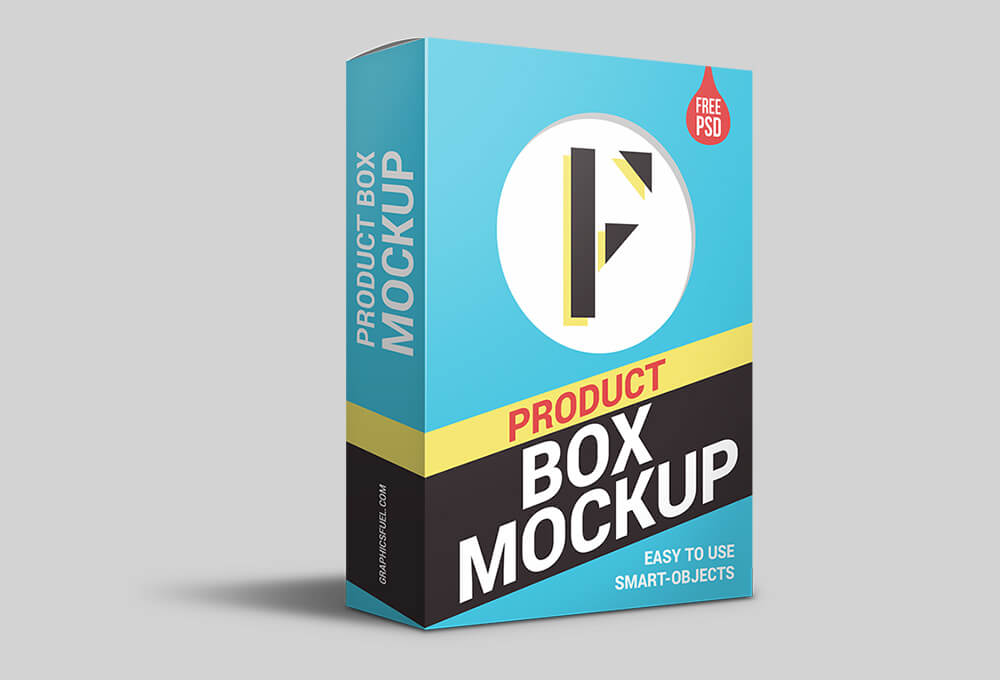
Custom Product Boxes Miami
$ 0.78
If you are looking for custom product boxes in Miami, FL, we can help develop packaging around your product dimensions, target customer, sales channel, and brand direction.
Live chat with our expert to place an order or email us at info@printingsolo.com for price quotes or Call us at +1 (409) -995-2398
(Minimum Order Quantity – 250)
Custom Product Boxes in Miami, FL
A product is not judged only by what it does.
Customers also form expectations about the product before they use it.
The brand, price, photography, retail environment, and packaging all contribute to those expectations.
Custom product boxes can help businesses control how their products are presented and positioned in the market.
If you are looking for custom product boxes in Miami, FL, we can help develop packaging around your product dimensions, target customer, sales channel, and brand direction.
The packaging should do more than contain the product.
It should help communicate what type of product it is and why the customer should pay attention to it.
What Does Your Packaging Say About the Product?
Customers make assumptions quickly.
A clean and simple package may communicate something different from a highly decorative one.
A heavy presentation box may create a different expectation from a lightweight folding carton.
Neither approach is automatically better.
The important question is whether the packaging matches the product.
Before choosing a box style, define the intended market position.
Is the product:
- Everyday and practical?
- Premium?
- Innovative?
- Gift-oriented?
- Youth-focused?
- Minimalist?
The packaging can then support that direction.
Packaging and Perceived Value
The presentation of a product can influence perceived value.
Customers often compare what they see with what they expect to pay.
If a premium product is presented in packaging that feels inconsistent with its positioning, the overall experience may feel disconnected.
At the same time, unnecessary complexity can increase costs without adding meaningful value.
The goal is to find the appropriate level of packaging.
Packaging for Everyday Products
An everyday product may benefit from packaging that is:
- Clear
- Efficient
- Easy to identify
- Easy to understand
The customer may value speed and convenience.
The packaging should communicate the essentials quickly.
A practical product does not necessarily need elaborate finishing.
The design can focus on clarity and brand recognition.
Packaging for Premium Products
Premium products may place greater emphasis on:
- Materials
- Detail
- Presentation
- Product fit
The customer experience may be part of the purchase decision.
However, premium packaging should remain connected to the actual product.
The package should reinforce genuine value rather than attempt to create a misleading impression.
Packaging for Innovative Products
New products sometimes need additional explanation.
The customer may not immediately understand:
- What the product is
- How it works
- Why it is useful
Custom product boxes can provide space to communicate these details.
The packaging can introduce the product on the front and provide more detailed information on other panels.
This can be particularly useful when launching new categories.
Packaging for Giftable Products
Some products are frequently purchased as gifts.
For these products, the package may need to create a stronger presentation.
Consider:
- The opening experience
- Product organization
- Visual appearance
- The need for additional wrapping
The packaging itself may reduce the need for separate gift presentation.
The structure should reflect the occasion and product value.
Lifestyle Product Packaging
Lifestyle products often connect with a particular identity or aspiration.
Customers may be attracted to the overall feeling surrounding the brand.
The packaging can help communicate:
- Personality
- Aesthetic
- Community
- Product identity
Consistency with the brand’s website, photography, and marketing materials can strengthen the overall experience.
Understanding Your Target Customer
Packaging should be developed with a specific customer in mind.
Ask:
What matters to this customer?
What information do they need?
Where will they encounter the product?
How much time will they spend comparing options?
The answers can influence the design.
A customer shopping quickly in a retail environment may need different information from someone researching a product online.
Product Packaging for Retail
Retail packaging often needs to attract attention while remaining clear.
The product may be surrounded by competing alternatives.
The customer should be able to identify:
- The brand
- The product
- The variation
The visual hierarchy should support quick understanding.
Product Packaging for Online Sales
Online customers often make the purchase before touching the package.
The physical box becomes part of the delivery experience.
Custom packaging can reinforce the decision the customer already made.
It can also create consistency between:
- Website
- Product photography
- Digital advertising
- Physical delivery
The customer should recognize the brand when the order arrives.
Packaging for Wholesale Products
Products sold through wholesale channels may need packaging that works efficiently for retailers.
Consider:
- Product identification
- Barcode placement
- Storage
- Retail presentation
The packaging should support the way the product moves through the sales process.
Custom Sizes and Product Fit
The dimensions of the package should be based on the actual product.
Consider:
- Length
- Width
- Height
- Weight
- Shape
If the product contains several components, the complete arrangement should be considered.
A well-fitted package can create a more organized presentation.
The Relationship Between Box Size and Product Value
A larger package does not automatically create greater value.
In some cases, excessive empty space may make the product feel disconnected from the packaging.
A well-proportioned box can create a more intentional experience.
The relationship between the product and the package should feel appropriate.
Packaging as a Communication Tool
Every panel of the box provides potential communication space.
The packaging can contain:
- Product descriptions
- Features
- Instructions
- Specifications
- Brand stories
- QR codes
- Barcodes
The challenge is deciding what information is most important.
The customer should not need to read everything immediately.
The design can guide them from the essential information toward more detailed content.
Front Panel Positioning
The front panel often communicates the product’s position in the market.
A minimal front panel may create a refined appearance.
A detailed front panel may communicate information more directly.
The appropriate choice depends on the product.
Before designing the layout, determine the primary message.
What should the customer understand first?
Side and Back Panel Strategy
Supporting panels can provide additional detail.
These areas may include:
- Product specifications
- Usage information
- Brand stories
- Features
- Company information
Using the available space strategically can prevent the front panel from becoming overcrowded.
Custom Printing for Product Boxes
Custom printing can be adapted to the brand’s visual direction.
Options may include:
- Full-color printing
- Brand logos
- Product photography
- Illustrations
- Patterns
- Informational graphics
The design should reflect the product’s intended market position.
Materials and Product Positioning
Materials can contribute to the overall experience.
The specification should be selected based on:
- Product weight
- Handling requirements
- Printing requirements
- Desired presentation
The objective is to create packaging that feels appropriate without using unnecessary materials or features.
Finishing and Perceived Quality
Finishing can create visual and tactile differences.
Depending on the project, options may include:
Matte
Can support a subtle or contemporary appearance.
Gloss
Can create a brighter visual effect.
Spot UV
Can highlight selected printed elements.
Foil
Can emphasize logos or decorative details.
Embossing
Can add physical dimension.
These elements should reinforce the product positioning.
Product Packaging for New Market Entry
A business entering a new market may need to reconsider its packaging.
The product may be competing with different brands.
Customers may have different expectations.
The packaging should communicate clearly without assuming customers already know the company.
A strong introduction can help establish recognition.
Packaging for Brand Repositioning
Businesses sometimes change their market direction.
A product that was originally positioned as practical may move toward a more premium audience.
Or a complex brand may simplify its identity.
Packaging can become part of that transition.
The new design should communicate the updated direction while maintaining appropriate connections with the existing brand.
Creating Consistency Across Sales Channels
A customer may encounter the product in several places.
They may:
- See an advertisement.
- Visit the website.
- Compare the product in a store.
- Receive the physical order.
The brand should feel connected throughout these stages.
Packaging is one part of that system.
Preparing a Product Packaging Brief
Before beginning the project, gather the main information.
The Product
What exactly are you selling?
The Customer
Who is the intended buyer?
The Positioning
How should the product be perceived?
The Dimensions
What are the exact measurements?
The Sales Channel
Where will the product be sold?
The Brand
What existing visual elements should be used?
These answers can guide the packaging decisions.
What Affects the Cost of Custom Product Boxes?
Pricing depends on the specifications.
Factors may include:
- Dimensions
- Quantity
- Materials
- Printing
- Structural requirements
- Finishing
- Number of product variations
The final quote should be based on the complete requirements.
Request Custom Product Boxes in Miami
If you want packaging that helps communicate your product’s value and position in the market, custom product boxes can provide a flexible solution.
Tell us about your product, dimensions, quantity, target customer, and branding requirements.
Whether your product is designed for everyday use, premium retail, gifting, or a new market category, the packaging can be developed to support the experience you want customers to associate with it.
Request a quote for custom product boxes in Miami, FL today.
Frequently Asked Questions
What are custom product boxes?
Custom product boxes are packaging designed around a specific product’s dimensions, branding, information requirements, and intended presentation.
How can packaging affect perceived value?
Packaging can influence customer expectations by communicating visual identity, product positioning, organization, and the overall level of presentation.
Can custom product boxes be used for retail and e-commerce?
Yes. Packaging can be developed for retail stores, online sales, wholesale channels, and other distribution environments.
Can I choose a custom size?
Yes. Box dimensions can be developed around the specific product.
Can I add product information to the packaging?
Yes. Custom printing can include descriptions, features, specifications, instructions, barcodes, and other relevant details.
Can packaging be designed for a premium product?
Yes. The structure, materials, printing, and finishing can be selected around the desired product presentation.
What affects the cost of custom product boxes?
Pricing depends on dimensions, quantity, materials, printing, structural complexity, finishing, and other project requirements.
Explore More Custom Packaging in Miami
The right packaging format depends on the product and the experience you want to create.
You may also be interested in:
- Custom Mailer Boxes for branded e-commerce deliveries
- Custom Tuck Boxes for flexible retail packaging
- Custom Cosmetic Boxes for beauty and personal care products
- Custom Rigid Boxes for luxury products and premium gift presentations
Product packaging is not simply a container placed around an item. It is part of how customers interpret the product before they use it. When the structure, information, design, and brand positioning work together, the package can help create an experience that feels appropriate for the product inside.
Reviews
There are no reviews yet.
Related Products
Boxes Near Me
Boxes Near Me
Boxes Near Me
Boxes Near Me
Be the first to review “Custom Product Boxes Miami”