



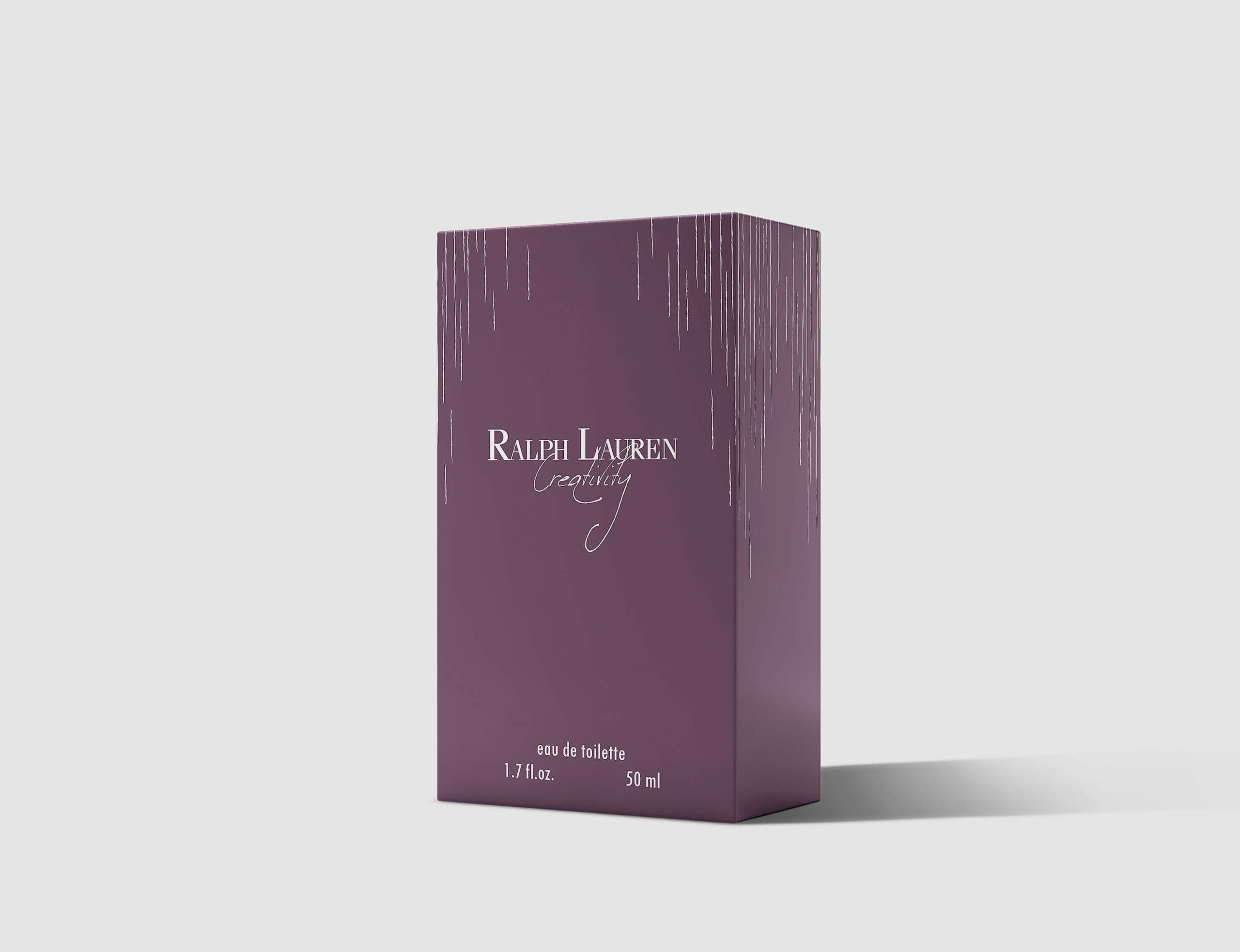
Custom Tuck Boxes New York
$ 1.49
If you are looking for custom tuck boxes in New York, NY, we can develop packaging around your product dimensions, retail requirements, branding, and product information.
Live chat with our expert to place an order or email us at info@printingsolo.com for price quotes or Call us at +1 (409) -995-2398
(Minimum Order Quantity – 250)
Custom Tuck Boxes in New York, NY
When products compete for attention on a retail shelf, packaging has very little time to communicate.
A customer may see dozens of products before deciding which one to pick up.
The box needs to make the product recognizable, communicate the essentials, and give the brand a clear visual identity.
Custom tuck boxes provide a practical folding-carton format for businesses that want product packaging developed around their brand and product rather than relying on generic cartons.
If you are looking for custom tuck boxes in New York, NY, we can develop packaging around your product dimensions, retail requirements, branding, and product information.
Designed for the Retail Environment
Retail packaging has a different challenge from shipping packaging.
A shipping box primarily needs to contain and protect the order.
A retail box also needs to communicate.
The customer may see the front of the package while it sits alongside competing products.
The design therefore needs to work at a glance.
Winning Attention Without Losing Clarity
A product can use bold colors, photography, illustrations, or typography to stand out.
But visual impact should not make the product difficult to understand.
Customers should be able to identify:
- Brand
- Product
- Product type
- Important variation
The packaging should guide the eye rather than overwhelm it.
Compact Product Presentation
Tuck boxes can provide a relatively compact way to package products.
This can be useful when retail shelf space matters.
The dimensions can be developed around the product rather than using a much larger generic carton.
A well-proportioned package can also create a more consistent appearance when several products are displayed together.
Packaging Multiple SKUs
A brand may sell multiple versions of a product.
For example:
- Different sizes
- Different colors
- Different flavors
- Different formulas
- Different models
The packaging can use a consistent structural and visual system.
Customers can then recognize the overall brand while quickly distinguishing between individual products.
Creating a SKU System
A packaging system can use repeatable elements.
For example:
Brand
Remains consistent across the collection.
Product Category
Uses a common position.
Variation
Uses a distinct identifier.
This can make a growing product line easier to navigate.
Color-Coded Product Variations
Color can help customers identify differences quickly.
A business might use different colors for:
- Flavors
- Sizes
- Product types
- Collections
The colors should be sufficiently distinct while remaining part of the same brand system.
This allows the product range to feel unified rather than fragmented.
Custom Tuck Boxes for New York Retail Brands
A New York business may sell products through several channels.
A product could appear in:
- Independent retailers
- Department stores
- Specialty stores
- Pop-up shops
- The company’s own website
The packaging should work across these environments.
A clear visual identity can make the product easier to recognize wherever it appears.
Packaging for Products Moving From Online to Retail
Many businesses begin online.
Once sales grow, they may pursue retail distribution.
The packaging requirements can change.
Online customers may already know the product from digital marketing.
Retail shoppers may encounter it without that context.
The package therefore needs to stand on its own.
Front Panel Strategy
The front panel should establish the product quickly.
Potential elements include:
- Logo
- Product name
- Product category
- Main visual
- Key identifier
Not every product needs all of these elements at equal size.
The design should establish a clear hierarchy.
Side Panels
Side panels can provide supporting information.
They may contain:
- Features
- Product details
- Instructions
- Brand messaging
When several boxes are displayed together, side panels can also contribute to shelf recognition.
Back Panel
The back of the box can carry more detailed information.
Depending on the product, this may include:
- Description
- Instructions
- Ingredients
- Specifications
- Barcode
- Company information
Good organization is important when the amount of required information increases.
Straight Tuck End Boxes
Straight tuck end construction uses closures that tuck in the same general direction.
It can provide a clean, straightforward appearance for many retail products.
The appropriate construction depends on the product dimensions and packaging requirements.
Reverse Tuck End Boxes
Reverse tuck end boxes use opposing tuck directions.
They are another common folding-carton construction.
The best option depends on factors such as:
- Product dimensions
- Opening requirements
- Packing process
- Overall design
Other Custom Folding Structures
Some products require more than a basic tuck construction.
Custom structures can be considered when the package needs:
- Additional support
- Special openings
- Display features
- Internal organization
The structure should be selected according to the product rather than forcing every product into the same format.
Packaging for Small Products
Tuck boxes can be useful for smaller consumer products.
The packaging can provide enough surface area for branding and information while keeping the overall package relatively compact.
The exact dimensions should be based on the product and any internal components.
Packaging for Product Sets
Several related products can sometimes be packaged together.
Examples include:
- Starter kits
- Trial collections
- Product bundles
- Gift sets
The box can be sized around the complete collection.
The interior arrangement should be considered before final dimensions are finalized.
Custom Printing
Printed tuck boxes can use the available panels to communicate the brand.
Possible elements include:
- Logos
- Product photography
- Illustrations
- Patterns
- Product information
- Marketing messages
The printing should reinforce the packaging hierarchy.
Creating a Recognizable Shelf Presence
When several products from the same company appear together, consistency becomes valuable.
Repeated elements can include:
- Logo placement
- Typography
- Structural proportions
- Graphic language
Individual products can then use different colors or identifiers.
Over time, the entire collection can become visually recognizable.
Packaging for Specialty Retail
Specialty retailers often carry products with specific customer audiences.
The packaging needs to communicate quickly to the intended shopper.
The design should reflect the actual positioning of the product.
A package intended for a premium boutique should not necessarily use the same visual approach as an everyday mass-market product.
Packaging for Pop-Up Shops
Pop-up retail creates temporary environments where brands need to establish themselves quickly.
Packaging can contribute to that identity.
A customer may see the same box at:
- The event
- The company’s website
- Social media
- Later purchases
Consistent packaging helps connect these experiences.
Packaging for Private-Label Products
Retailers may develop their own private-label products.
The packaging then becomes an important part of establishing the retailer’s product identity.
A consistent box system can help multiple private-label products feel like a collection.
Packaging for Startups
A startup does not necessarily need an elaborate packaging program.
A useful starting point may be:
- One core structure
- A small number of sizes
- Consistent branding
- Clear product information
The system can expand as the product line grows.
Designing for Future SKUs
Packaging should ideally leave room for expansion.
If a company expects to launch several related products, it can be useful to establish a visual framework early.
Future products can then adopt the same:
- Layout
- Typography
- Branding
- Structural format
while introducing their own identifying elements.
Finishing Options
Depending on the packaging requirements, finishing may include:
- Matte coating
- Gloss coating
- Spot UV
- Foil
- Embossing
These features can emphasize selected elements.
They should support the overall product positioning rather than simply add visual complexity.
Premium Tuck Box Design
A folding carton can still create a premium presentation.
The result depends on the combination of:
- Design
- Material
- Printing
- Finishing
- Product fit
A premium appearance does not require excessive decoration.
Sometimes restrained typography and a carefully selected finish are enough.
Packaging for E-Commerce Products
Although tuck boxes are strongly associated with retail presentation, they can also function as inner product packaging for e-commerce orders.
The tuck box can present the product while a separate mailer provides the shipping layer.
This creates two distinct functions:
Product Box: Brand and presentation.
Mailer: Shipping and external protection.
Preparing Your Tuck Box Artwork
Before artwork is finalized, confirm:
- Dieline
- Panel dimensions
- Fold areas
- Tuck locations
- Bleed
- Safe zones
- Barcode placement
The design should be created around the physical structure.
Important information should remain readable after the box is folded.
Product Photography and Graphics
If photography is used, consider how the image will work across the panels.
The main image may belong on the front.
Supporting imagery can appear elsewhere.
Graphics should help explain or position the product rather than simply fill empty space.
What Affects Tuck Box Pricing?
Pricing can depend on:
- Box size
- Quantity
- Material
- Printing
- Number of printed sides
- Finishing
- Structural complexity
A straightforward carton and a highly customized retail package will have different production requirements.
Request Custom Tuck Boxes in New York
If your product needs compact retail packaging with strong brand presentation, custom tuck boxes can provide a flexible solution.
We can help develop packaging for consumer products, specialty retail items, product sets, private-label goods, startups, and established product lines.
Send your product dimensions, quantity, artwork requirements, and preferred packaging style to begin.
Request a quote for custom tuck boxes in New York, NY today.
Frequently Asked Questions
What are tuck boxes?
Tuck boxes are folding cartons that use tuck-style closures and are commonly used for retail and consumer product packaging.
Can tuck boxes be custom sized?
Yes. The dimensions can be developed around the specific product.
Are tuck boxes suitable for retail shelves?
Yes. Their compact format and printable surfaces make them suitable for many retail applications.
Can I create different designs for different SKUs?
Yes. A consistent packaging system can use different colors, names, graphics, or identifiers for individual products.
Can tuck boxes be used inside e-commerce shipments?
Yes. They can serve as the branded product box while a separate mailer or shipping package handles transportation.
Can I add premium finishes?
Depending on the project, finishing options can include foil, embossing, spot UV, matte, gloss, and other treatments.
Can I package multiple products in one tuck box?
Yes. A custom structure can be developed around product sets or collections where appropriate.
What affects the cost?
Dimensions, quantity, material, printing, finishing, and structural requirements all influence the final price.
Explore More Custom Packaging in New York
Your product may require another packaging format depending on its purpose.
You may also be interested in:
- Custom Mailer Boxes for e-commerce shipping
- Custom Cosmetic Boxes for beauty and personal care
- Custom Product Boxes for consumer goods
- Custom Rigid Boxes for premium products and presentation
When a product needs to compete for attention in a busy retail environment, the box has to communicate quickly. A well-designed custom tuck box can give the product a clear identity, make variations easier to understand, and create a consistent visual presence across an expanding product line.
Reviews
There are no reviews yet.
Related Products
Boxes Near Me
Boxes Near Me

Boxes Near Me
Boxes Near Me
Be the first to review “Custom Tuck Boxes New York”